Roof failures don’t happen overnight. In a place like Salt Lake City, where your roof battles dry heat, heavy snow, and harsh UV rays year-round, damage builds slowly and often out of sight.
There are subtle signs your roof is on its way out and missing them could cost you thousands of dollars. Here are three warning signs Salt Lake homeowners overlook the most, and what to do before things go downhill fast.
Sagging Rooflines: A Common Sign Salt Lake Roofers See Too Late
Even the slightest dip in your roofline can be a sign of major problems below the surface. In neighborhoods like Sugar House or Millcreek where homes are older, sagging is often written off as “just settling” but that mindset is a fast track to structural issues.

What Makes a Roofline Start to Sag in Salt Lake?
Roofs can sag due to rot in the decking, waterlogged insulation, or snow load damage. Salt Lake winters are no joke — when snow piles up and the attic isn’t properly ventilated, trapped moisture weakens your roof from the inside out.
Why Slight Dips Can Lead to Serious Roofing Problems
Sagging allows water to pool and puts extra strain on your framing. Even if you don’t have leaks now, the structure is being compromised and when it finally gives, it won’t be a small repair.
When to Call a Salt Lake City Roofing Contractor
If your roof looks uneven or droopy at the edges, don’t ignore it. A quick inspection from a local Salt Lake City roofer can confirm whether it’s harmless or something that needs attention before a collapse.
Don’t brush off a sagging roofline. Catching it early could be the difference between a small reinforcement and a full roof rebuild.
Worn Shingles Are a Huge Red Flag
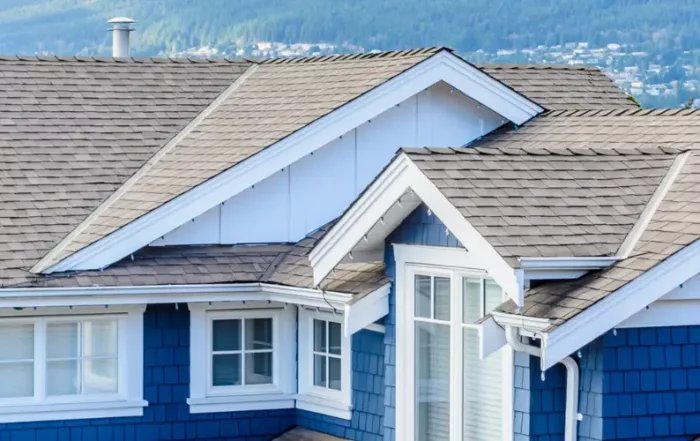
From the sidewalk, your roof might look decent. But just because shingles aren’t missing doesn’t mean they’re holding up. The dry climate and intense sun in Salt Lake can age shingles faster than you think, especially on south-facing slopes.
Granule Loss and Fading Mean Your Roof is Breaking Down
Granules protect your shingles from UV damage and water. Once they start shedding, you’ll see bald spots or discoloration. This is your first sign the shingles are nearing the end of their life and one of several roofing red flags that homeowners often overlook early on. Knowing what to look for can help you catch these subtle issues before they snowball into major repairs.
Curled or Cracked Shingles? Time to Talk to Salt Lake Roofers
If the edges of your shingles are curling, cracking, or flaking apart, that’s a sign the adhesive is breaking down. This can lead to wind damage or water intrusion, even if you haven’t had a storm.
Why a “Fine Looking Roof” Might Be on the Edge of Failure
Most homeowners assume their roof is okay because there aren’t any visible gaps. But when shingles dry out and lose their grip, they can lift with minimal wind leaving your roof exposed when it matters most.
Don’t wait until shingles start falling off. If you notice bald patches, faded color, or curling edges, it’s time to explore your options for a roof replacement.
Interior Warning Signs Salt Lake Homeowners Shouldn’t Ignore
Not all roof problems show up outside. In fact, some of the most overlooked signs of failure happen inside the home. If your ceiling has stains or the attic smells a little funky, your roof could already be leaking and you just don’t know it yet.
Moisture and Musty Smells Often Point to a Leaky Roof
Attics should be dry and well-ventilated. If it smells musty or you see damp insulation, there’s a good chance water is getting in through compromised shingles or flashing.
Ceiling Stains and Peeling Paint = Roof Problems
Those yellow rings on your ceiling or the paint bubbling on the wall aren’t just cosmetic issues. They’re symptoms of roof leaks traveling through your drywall.
How Roof Leaks in Salt Lake Make Their Way Indoors
Salt Lake’s freeze-thaw cycles can open up micro-cracks in shingles and flashing. Even tiny gaps can let in enough water to soak your insulation, rot your framing, and cause mold to grow inside your walls. And once mold takes hold, it can spread quickly — often before you even see visible signs. If you’re not familiar with how dangerous mold can be or how easily it forms in hidden areas, here are 10 things you should know about mold from the EPA that every homeowner should read.
Interior signs are often your first warning of roof failure. Don’t wait for water to start dripping because by then, the damage may already be done.
Why Roof Problems Get Overlooked So Often
Homeowners tend to look for big, obvious issues like a missing shingle or visible hole. But roof damage in Salt Lake tends to sneak in slowly, especially in older homes where “normal wear and tear” hides more serious problems.
Most Homeowners Wait Until Roof Leaks Are Obvious
It’s common to think, “If I don’t see a leak, it’s fine.” But by the time water is dripping into a room, the damage underneath is extensive — and expensive.
Gradual Roof Damage Blends into Older Salt Lake Homes
In areas with mature trees and decades-old homes, fading, sagging, and wear can feel normal. That’s why so many warning signs slip past homeowners until it’s too late.
Even Newer Roofs Can Fail Without a Professional Inspection
Just because a roof is “only 10 years old” doesn’t mean it’s problem-free. If it wasn’t installed correctly or has faced heavy weather, issues can pop up fast.
These signs are easy to miss but they matter. Knowing what to look for helps you stay ahead of damage instead of reacting to disaster.
Final Thoughts: Don’t Go Into It Blind
Subtle sagging, worn-out shingles, and interior warning signs are easy to miss but they’re some of the strongest indicators that your roof might be failing. In Salt Lake City, where the weather doesn’t cut roofs any slack, staying proactive matters.
Don’t wait until damage is obvious. Catching these signs early gives you more options, saves you money, and protects your home long-term.