Table of Contents
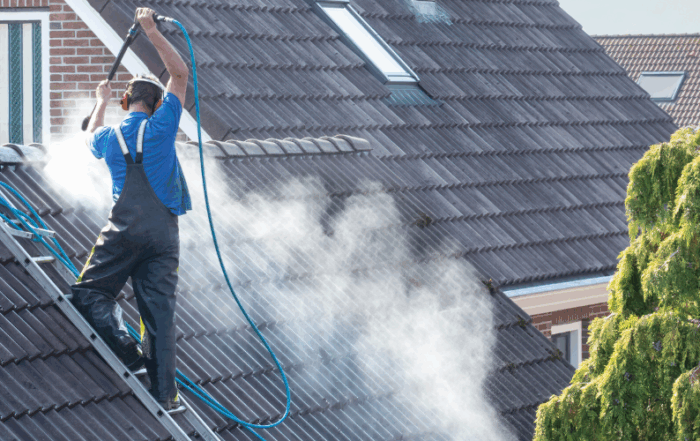
Pressure washing is one of those home maintenance tasks that looks incredibly satisfying in videos. In just a few minutes you can strip away years of grime, moss, and algae, revealing a roof that looks brand new. But while the results may seem appealing, roofing systems are not the same as sidewalks or decks and blasting them with water can cause serious and expensive problems if it is not done correctly.
The Risks of Pressure Washing a Roof and How It Can Damage Roofing Materials
Pressure washing might seem harmless, especially if you have seen it work wonders on driveways, siding, or fences. But your roof is built differently from those surfaces. It is a layered system designed to shed water, protect against the elements, and last for decades. High pressure water disrupts that system in ways most homeowners cannot see until damage has already happened. Understanding these risks before starting can save you from costly repairs, voided warranties, and a shortened roof lifespan.
Potential Damage to Roof Shingles and Tiles
High pressure water can chip or crack roofing materials, especially older shingles, clay tiles, or wood shakes. This damage often starts small but quickly worsens once wind, rain, and sun exposure take their toll.
Loss of Protective Shingle Granules
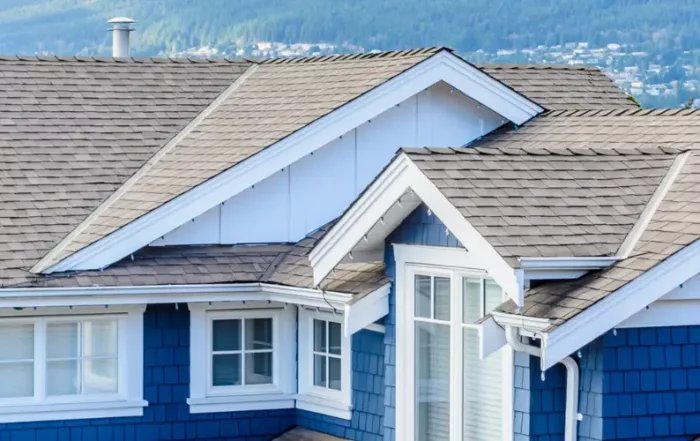
The surface granules on asphalt shingles are a critical defense against UV rays and weathering. Pressure washing strips these away, leaving shingles vulnerable and aging them prematurely.
Water Intrusion Beneath Roofing Surfaces
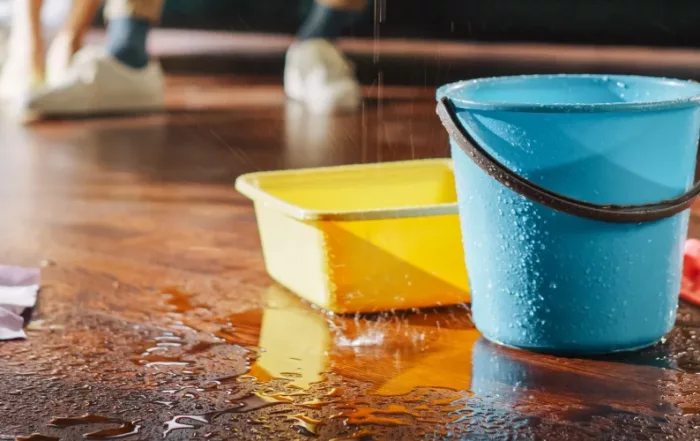
The force of pressurized water can push moisture under the surface, soaking the underlayment and decking. Once water gets trapped there, rot, mold, and leaks are almost inevitable.
The truth is that the damage from pressure washing is not always immediate or obvious. A roof might look spotless afterward, but hidden issues could be developing underneath. If you have noticed leaks, missing shingles, or other concerns after a cleaning, scheduling a roof repair early can prevent much bigger problems later.
When Pressure Washing a Roof Is Safe and the Right Way to Do It
While pressure washing is risky for most roofs, there are limited situations where it can be done without causing harm. These cases depend heavily on the roof’s material, its current condition, and the skill of the person operating the washer. The safety of the process comes down to precision and knowledge, not just the tool itself. Even then, it is rarely recommended as a DIY job.
Professional Low Pressure Roof Cleaning Methods
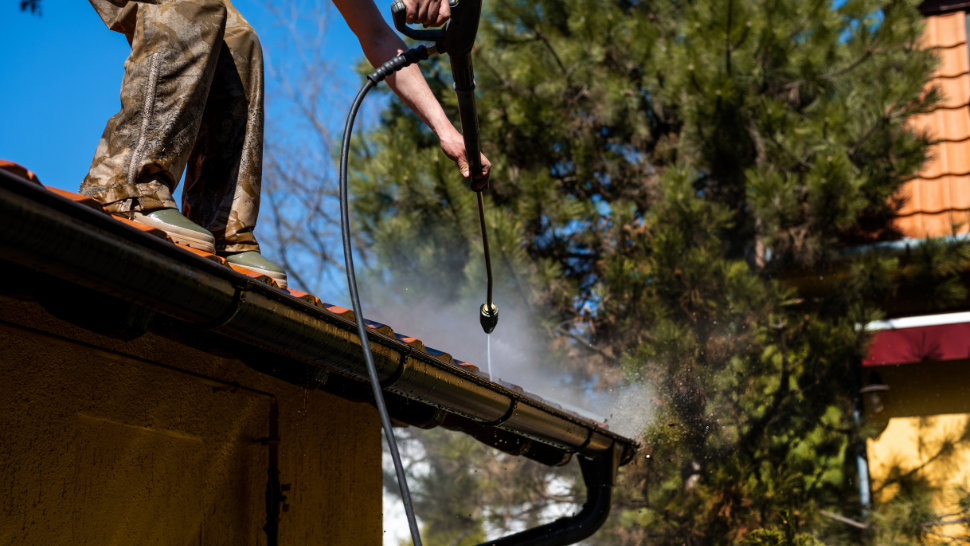
Roofing professionals use controlled, low pressure soft wash systems that clean without damaging protective layers. This technique is safer and far more precise than standard consumer grade pressure washers.
Roof Types That Can Handle Gentle Pressure Cleaning
Certain roofing types such as standing seam metal or some concrete tiles may tolerate gentle water pressure. However, even with these, improper cleaning can damage finishes or seals.
Using the Right Roof Cleaning Equipment and Settings
It is not just about lowering the PSI. Nozzle type, spray angle, and distance from the surface all play critical roles in ensuring the process is safe.
If your roof falls into the small category of types that can handle a controlled wash, it is still worth hiring an experienced professional. They will know how to clean effectively without crossing the fine line between removing dirt and causing permanent damage.
Safer Roof Cleaning Alternatives to Pressure Washing
If your goal is a cleaner, healthier roof without risking its structure or warranty, there are cleaning methods that are far safer than pressure washing. These alternatives are designed to preserve the integrity of your roofing materials while still removing dirt, algae, and moss. They may take a little more time or require specific products, but the long term protection they provide is worth the effort.
Soft Washing a Roof with Specialized Cleaners
Soft washing uses low pressure water combined with specially formulated cleaning solutions to dissolve and lift away buildup. For safe, tested product recommendations, Bob Vila’s roundup of the best roof cleaners offers excellent guidance based on real world testing.
Manual Roof Cleaning for Moss and Debris Removal
Manual cleaning is ideal for targeted problem areas, especially heavy moss clumps or stubborn debris. It is slower but significantly reduces the risk of damaging the roof surface.
Preventing Roof Stains and Algae Growth
By keeping gutters clear, trimming overhanging branches, and installing moss preventing metal strips, you can greatly reduce the need for deep cleaning.
The best way to keep your roof clean is to avoid letting heavy buildup develop in the first place. With the right maintenance plan and gentle cleaning methods, you can extend your roof’s lifespan, protect your investment, and still get the fresh, well kept look you are after without ever touching a high pressure washer.
How Professional Roof Cleaning Services Protect Your Investment
A roof is not just another part of your home’s exterior. It is your first line of defense against the elements. Cleaning it properly is about more than curb appeal. When done right, it helps preserve the roof’s function, prevents costly repairs, and keeps warranties intact. Professional roof cleaning services are designed to deliver these benefits without the risks that come with DIY pressure washing.
Extending the Life of Your Roof Through Professional Cleaning
A professionally cleaned roof does not just look better, it performs better. By removing harmful growth like moss and algae before they can cause damage, you are effectively adding years to the life of your roof.
Preventing Costly Roof Repairs from DIY Cleaning Mistakes
Even well meaning DIY cleaning can lead to cracked tiles, stripped granules, or loosened flashing. These issues often require expensive repairs that could have been avoided entirely.
Maintaining Roof Warranty Coverage
Professional cleaners know the manufacturer’s guidelines for each roofing type. This ensures your roof is cleaned in a way that maintains warranty coverage.
When you look at the cost of a professional cleaning compared to the potential cost of repairs from a botched DIY job, the value is clear. Professional services provide peace of mind, knowing your roof is getting the care it needs without sacrificing its longevity or warranty protection. And if your roof is beyond cleaning, our roof replacement team can give your home a fresh start with lasting results.
Should You Pressure Wash Your Roof?
Pressure washing a roof is one of those jobs that looks easier than it is. While it can be safe in specific situations, the margin for error is small and the consequences of a mistake can be expensive. For most homeowners, a soft wash or other low pressure cleaning method performed by a professional is the smarter and safer choice.
Your roof is one of the most important parts of your home. Treating it with care and avoiding aggressive cleaning methods will help it last longer, perform better, and save you money in the long run. When in doubt, skip the high pressure approach and choose a method that protects your home as well as it protects you. And if you are ready to replace an aging or damaged roof, our roof replacement services deliver results you can trust.