After a storm rolls through, there’s a good chance your roof might have taken a hit and the sooner you know this, the better. But here’s the thing… you don’t need to grab a ladder or climb up to find out. There are safe, ground level ways to check for signs of roof damage that can save you time, stress, and money down the road. From fallen shingles to subtle leaks, this guide will show you exactly how to spot trouble fast and when it’s time to bring in the pros for roof repairs.
What to Look for Right After the Storm Passes
Not all damage from a storm is immediately obvious, but some early signs can be spotted from the ground if you know what to look for. The key is to move quickly before minor issues become major ones. The best part is that you don’t even need any tools or a ladder. All you need is your eyes, a little patience, and a short walk around your property. These first visual cues can tell you whether it’s time to call for a roof repair before the next rainfall makes things worse.

Start With a Visual Sweep From the Ground
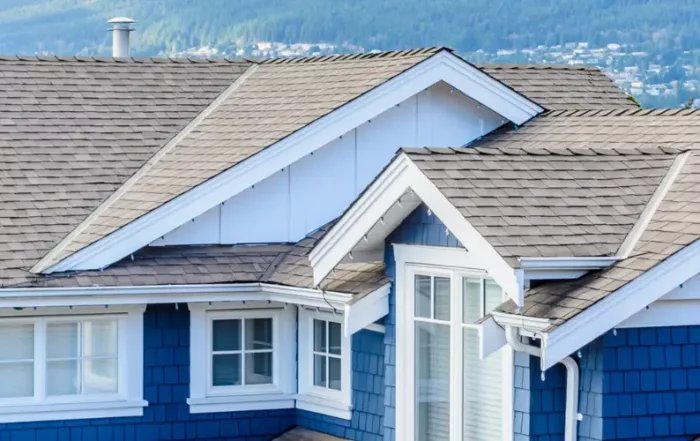
Start by standing back and scanning your roofline from multiple angles. Look for missing or misaligned shingles, dark or shiny patches, or sagging spots in the roof deck. Even without climbing up, you can often tell when something looks off. Binoculars can also help you zoom in on specific areas, giving you a closer look at potential storm damage like granule loss or lifted shingle edges; which are early signs that your roof may already be compromised and in need of repairs.
Check for Debris or Broken Materials
If tree limbs, twigs, or other debris landed on your roof, there’s a good chance they caused some level of roof damage. Even small branches can knock shingles loose or dent flashing if they hit with enough force. Leaving this damage unaddressed can lead to leaks or water seeping into the underlayment, so any debris spotted after a storm should be treated as a potential sign that roof repairs are needed.
Examine the Yard and Surroundings
Check the ground around your home for evidence of damage that may have fallen off the roof. Shingle fragments, pieces of flashing, or even loose nails in the yard usually mean something came loose up top. If your roof is shedding parts into the grass or driveway, that’s a strong indication of storm damage—and it’s a clear sign that your roof could already be leaking or exposed to further issues without timely repair.
Keeping your eyes open after a storm can make all the difference. A quick walk around your property might not seem like much, but it can help you catch problems early before they spiral into costly repairs. When in doubt, it’s always better to play it safe and get a professional opinion.
Hidden Signs of Roof Damage
Sometimes the most telling signs of roof problems don’t appear on the roof at all. Moisture has a way of finding the path of least resistance, and it often leaves clues inside your home before it becomes a full-blown leak. After any serious storm, it’s worth taking a few minutes to check for these less obvious symptoms of roof damage. Spotting them early can help you avoid expensive repairs or long-term structural issues.
Watch for Water Where It Shouldn’t Be
Water stains on your ceilings or bubbling paint on the walls are classic indicators that water has made its way past your roofing system. Even if you didn’t notice any exterior damage, this kind of indoor symptom usually means something failed up top. A slow leak from storm damage can spread quietly through insulation and framing before you ever see a drip, and if left alone, it’ll turn into a much bigger (and pricier) roof repair project down the line.
Spotting Sagging or Warped Gutters
Your gutters can give away more than you think. After a storm, check if they’re bent, sagging, or pulling away from the fascia—especially around roof edges. If water overflowed or backed up due to clogged or damaged gutters, it may have seeped under your shingles or flashing. That kind of hidden moisture is a common source of roof damage that often leads to rot or mold growth, especially if not caught early. If you’re unsure how serious mold can get, here are 10 things you should know about mold according to the EPA.
Pay Attention to Musty Smells Indoors
A damp, musty smell in your attic or upper floors could signal moisture intrusion even if no stains are visible. Storm damage doesn’t always result in immediate puddles. Sometimes the first thing you notice is a change in how your home smells. Moisture trapped in insulation or behind walls is a slow-building problem that can lead to mold or structural decay, and it’s often tied to an undetected roof leak that started during the last big storm.
Tools You Can Use to Inspect Your Roof Without Climbing
Technology makes it easier than ever to get a clear picture of your roof without putting yourself at risk. Whether you’re using a drone, your smartphone, or simple telescoping tools, these modern solutions offer quick, safe ways to inspect for roof damage. Best of all, they help you document issues for insurance or get a head start on roof repairs before things get worse.
Use a Drone for a Bird’s-Eye View
A drone with a high-resolution camera can give you a comprehensive look at your roof from above, helping you spot cracks, lifted shingles, or pooling water. It’s a smart way to inspect for storm damage without climbing a ladder or walking a potentially unstable surface. Drone inspections are changing the way residential roofing is handled, making it easier, safer, and more accurate for homeowners to assess damage after a storm especially when time is critical.
Try a Roof Inspection App
Several apps now let you capture photos of your roof from the ground or even pull satellite imagery to compare past conditions with what you’re seeing now. These tools can help you track changes or submit details directly to a roofing contractor for feedback. They’re also useful if you’re planning to file a storm damage claim and want to start documenting potential roof repairs right away.
Ground-Based Telescopic Tools
For a low-tech but still effective solution, try using a telescopic inspection mirror or pole-mounted camera. These let you peek under eaves, check the flashing, or zoom in on the top edge of your roof—all without stepping off the ground. It’s a great way to verify whether the storm caused any noticeable roof damage or if it’s time to schedule a professional inspection.
When to Call a Roofing Professional
While DIY inspections are a great first step, they’re not a substitute for professional evaluation. If you see warning signs or just feel unsure, bringing in a trusted roofer can save you from missing critical damage. They’ll know exactly what to look for, how to assess storm damage accurately, and what’s required to handle roof repairs before the next weather event makes things worse.
If You Notice Any of the Warning Signs Above
Any time you spot missing shingles, water stains, bent gutters, or even just find debris on your roof, it’s a good idea to call in a professional. What might look like a small issue could hide deeper structural roof damage that only an expert eye can catch. Acting fast could be the difference between a small roof repair and a full-blown replacement.
Before Filing a Storm Damage Insurance Claim
If you’re thinking about filing a claim, you’ll want documentation and that’s where a licensed roofer comes in. They can take photos, create a detailed inspection report, and help you clearly present the extent of your roof damage to your insurance provider. Having a professional involved from the start increases your chances of a successful claim and ensures your roof repairs are based on a thorough, expert-backed assessment.
For Peace of Mind (Even If You Think It’s Minor)
Even when things seem fine, it’s not a bad idea to schedule a professional inspection—especially if your neighbors had roof repairs after the same storm. Some damage takes time to reveal itself, and a roofer can spot issues before they turn into serious leaks or long-term structural problems. A quick checkup can offer peace of mind and help extend the life of your roof.
Stay Ahead of Roof Damage Without Leaving the Ground
Just because you can’t see damage from the ground doesn’t mean it isn’t there. Storms can take a toll on your roof in ways that aren’t always obvious but with the right steps, tools, and timing, you can stay ahead of the issues.
Take a walk, use your tech, trust your instincts, and when needed, bring in a professional. That’s the fastest and safest way to handle roof damage—without ever stepping on a ladder.