Table of Contents
You’re pulling into the driveway and glance up at your roof. That’s when you notice it. Those dark, streaky lines trailing down the shingles. They weren’t there last year, and now they’re spreading.
Are the streaks just dirt? Could it be mold or mildew? Or is your roof trying to tell you something more serious? If you’ve spotted these stains, you’re not alone. They show up on rooftops all over the country, and while they’re common, they’re not something to ignore. In this blog, we’ll walk through what causes black streaks, how they affect your roof, and what steps you can take to fix and prevent them.
What Causes Black Streaks on Roof Shingles
Black streaks may look like ordinary grime at first, but they’re actually the result of something living. To really understand what you’re seeing, we have to take a closer look at what’s happening on your shingles.

The Real Culprit Behind the Stains
Most of the time, these streaks are caused by a type of airborne algae called Gloeocapsa magma. This blue green algae feeds on the limestone filler that’s commonly used in asphalt shingles. As it accumulates and dies, it leaves behind dark streaks that slowly make their way down your roof.
Why Some Roofs Get It Worse Than Others
Algae loves damp, shady environments. That means roofs that sit beneath tree cover or have north facing slopes tend to show streaking more quickly. Once the spores land, they settle into the surface and start to spread, especially in areas where moisture hangs around longer.
How Algae Spreads From House to House
One of the reasons this problem is so widespread is because it travels easily. Spores float through the air and can move from house to house. If one roof in your neighborhood has algae, nearby homes often start to show signs too. It builds up gradually, which is why it tends to go unnoticed until it becomes obvious.
Knowing that those streaks are caused by algae, not dirt, helps you take the right steps to deal with the problem. It also makes it easier to prevent future growth with smart choices in roofing materials and upkeep.
Do Black Roof Streaks Cause Damage
When something shows up on your roof, your first thought is usually about whether it’s going to cause damage. While black streaks might not mean immediate trouble, they do have the potential to impact your roof in ways that are worth paying attention to.
What Algae Does to Shingles Over Time
Algae itself doesn’t directly eat through shingles, but it does hold moisture against the surface. This creates a damp environment that your roof is not designed to tolerate long term. Over time, that constant exposure to moisture can weaken the shingles and reduce their overall lifespan, especially if the roof is already older.
How It Affects Curb Appeal and Value
Curb appeal matters, especially if you’re thinking about selling your home or just want it to look clean and well maintained. Black streaks make a roof appear neglected, even if the rest of the home is in great shape. It gives the impression that your roof is older than it actually is, which can hurt resale value or invite unwanted attention during an inspection.
When Stains Point to Bigger Roofing Problems
In some cases, black streaks are only part of the problem. If you’re also noticing moss, warped shingles, or signs of mold inside the attic, that could mean there’s a moisture issue deeper in the roofing system. What looks like surface discoloration might actually be the first sign of rot or ventilation problems.
Black streaks aren’t always serious, but they should never be brushed off. The longer algae sits, the more it can invite other issues to take root. Addressing it early gives you a much better shot at protecting your shingles and avoiding bigger repairs later on.
Safe Ways to Clean Black Streaks Off a Roof
Once you know what’s causing the stains, the next question is how to get rid of them. While cleaning a roof might sound simple, doing it the wrong way can actually cause more harm than good.
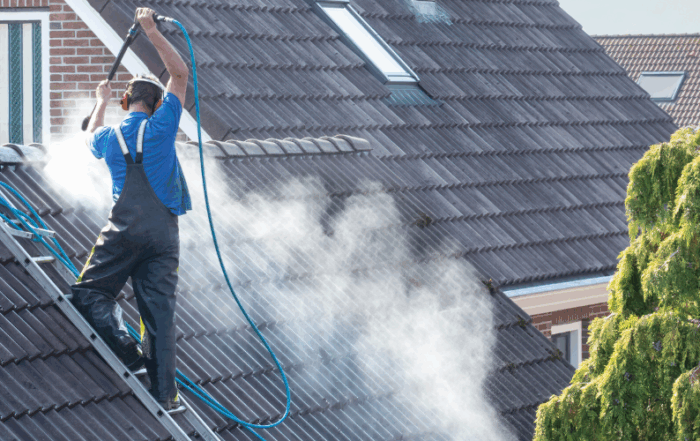
Why You Should Never Pressure Wash Shingles
The fastest way to ruin a roof is to hit it with high pressure water. That force strips away the protective granules from your shingles and leaves the surface exposed to the elements. It might clear the streaks, but it also shortens your roof’s life by years.
How to Soft Wash Your Roof at Home
If you’re comfortable working from a ladder or have a one story roof, you can try a soft wash method. Most people use a gentle solution of water and bleach or a specialized algae cleaner. Apply it with a pump sprayer, let it sit for a bit, then rinse with low pressure. It’s important to protect your landscaping and gutters while doing this, and never use more bleach than needed.
When to Hire a Roof Cleaning Professional
For taller homes or roofs with heavy buildup, a professional cleaning is often the safest route. Pros use biodegradable solutions and low pressure techniques that clean the algae without damaging your shingles. You’ll get a better result and avoid the risks that come with DIY cleaning.
There’s a right way and a wrong way to deal with black streaks. Taking your time, using the right materials, and getting help when needed will leave your roof looking better and lasting longer.
How to Prevent Algae on Your Roof
After you’ve gone through the trouble of cleaning your roof, the last thing you want is for those black streaks to show up again in a few months. With the right strategies, you can keep your shingles looking clean for years.
Algae Resistant Shingles and Materials
Some modern shingles are made with copper or zinc granules that naturally resist algae growth. These materials create a surface that’s harder for algae to attach to, and they release metal ions when it rains that help prevent new spores from taking hold.
Using Zinc or Copper Strips for Long Term Protection
Even if your current shingles aren’t algae resistant, you can still protect your roof by installing metal strips near the ridge line. As rainwater runs over them, it spreads those protective ions down the surface of your roof. It’s a small change that makes a big difference in algae prevention.
Maintenance Tips That Keep Your Roof Dry and Clean
Shade and debris are algae’s best friends. By trimming back trees and clearing leaves or branches off the roof, you help keep things dry and bright. The more sunlight your roof gets, the harder it is for algae to survive. Regular inspections and seasonal maintenance also make it easier to catch streaks early before they get out of hand.
Keeping your roof algae free isn’t about constant cleaning. It’s about setting up your roof to defend itself with the right materials, smart upgrades, and a little routine upkeep to stay ahead of the problem.
When to Call a Roofing Expert About Black Streaks
Sometimes it’s hard to tell what’s normal and what’s not when it comes to your roof. If you’re unsure whether black streaks are a surface level issue or a symptom of something more serious, it might be time to bring in a professional.
Warning Signs Beyond Surface Stains
If your shingles are curling, losing granules, or starting to crack, black streaks might be the least of your worries. These signs point to deeper wear and tear that needs to be addressed sooner rather than later.
Moisture Clues You Might Find Indoors
Dark streaks combined with signs of moisture inside, like ceiling stains, musty smells, or mold in the attic, could mean the problem has gone beyond the shingles. In those cases, an expert inspection is essential.
Why a Roof Inspection Can Be Worth It
Even if you’re not sure what’s going on, a licensed roofer can take a look and give you a clear answer. They’ll be able to tell you whether it’s algae, something more serious, or nothing to worry about at all.
If something feels off, it’s worth following up. A quick inspection can give you the clarity you need and help you avoid surprise repairs down the line.
Looking After Your Roof, One Streak at a Time
Black streaks on your shingles are easy to ignore at first, but they’re often the first sign that your roof needs some attention. Whether it’s just algae or the start of something more serious, staying informed is the best way to protect your home.
Keeping your roof clean, investing in better materials, and staying on top of maintenance are all small steps that make a big difference. And if you ever feel unsure, bringing in a pro for a quick look is one of the easiest ways to keep your peace of mind.
You don’t need to panic when you see black streaks on your roof. But you shouldn’t shrug them off either. Treat it as a sign to take a closer look, make a few changes, and stay ahead of whatever your roof might be telling you.