Most homeowners don’t think about their roof until there’s a problem, and by then, it’s often too late. What could have been a few easy fixes turns into a full replacement years earlier than necessary. The good news? You don’t need to spend every weekend up there to keep things in shape. Just a few smart roof maintenance tips each season can add years to your system’s life.
If you’re hoping to avoid last-minute repairs, big bills, and the chaos of emergency roofing work, these roof maintenance tips for 2025 will help you stay ahead of the damage.
Why Regular Roof Maintenance Is Your Best Defense Against Roof Replacement
Staying ahead of roof damage doesn’t require luck. It just takes consistency. Your roof is one of the most important parts of your home’s structure, and it’s exposed to everything nature throws at it. When you understand how minor issues build up over time, it’s easier to take small, proactive steps that protect your investment. Regular maintenance doesn’t just catch problems, it helps prevent them in the first place.
Neglecting your roof accelerates damage
A roof doesn’t fail overnight. Most major replacements are the result of years of minor issues that went unnoticed or were ignored. Things like cracked shingles, clogged gutters, or loose flashing may not seem urgent, but they allow water to creep in and slowly degrade the structure underneath. Over time, this leads to mold, rot, and sagging areas that often require a full roof replacement.
Maintenance helps you stay in control
When you’re proactive about roof care, you gain the ability to plan instead of react. Spotting early signs of damage lets you schedule repairs on your timeline, avoid emergency costs, and prepare for a future roof replacement. That’s why regular upkeep brings peace of mind and helps you budget wisely without being blindsided by a failing roof.
When you treat your roof like a long term investment, maintenance becomes a form of protection, not just a chore. A few hours each year can add significant life to your roof and save you thousands in the process.
Essential Roof Maintenance Tips for 2025
Keeping your roof in top shape doesn’t require professional tools or advanced skills. It just comes down to consistency and knowing what to look for. A yearly checklist of simple tasks can go a long way in protecting your roof from the kind of damage that leads to premature replacement. Here’s what every homeowner should be doing, step by step.
Cleaning: Clear debris from your roof and gutters
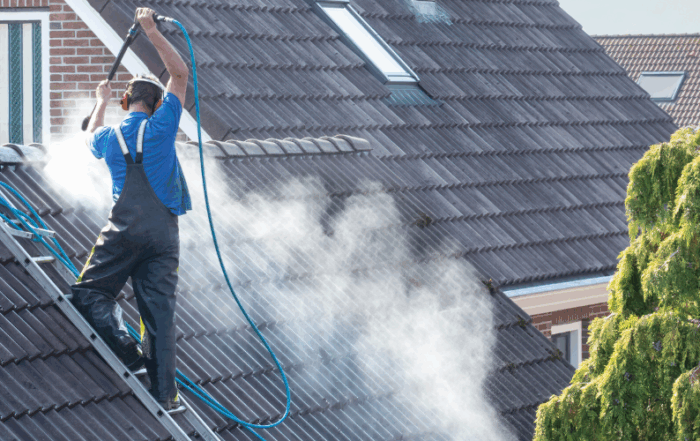
Leaves, moss, pine needles, and dirt may not look harmful, but they trap moisture and block drainage. That extra moisture speeds up wear on your shingles, weakens sealants, and creates the perfect conditions for mold and rot.
- Use a soft broom, roof-safe blower, or gentle rinse to clear debris from your roof.
- Clean gutters and downspouts twice a year; once in the spring and again in the fall.
- For moss or algae, use a roof safe cleaning solution to prevent growth without damaging shingles.

For more ways to keep your drainage system in shape, check out these essential gutter maintenance tips.
Tree Pruning: Keep branches trimmed and away from the roof
Overhanging tree limbs can damage your roof in multiple ways. They scrape and bruise shingles during wind, drop leaves that clog up your gutters, and block sunlight which can lead to damp spots that encourage moss or algae.
- Trim back any limbs that hang over your roof or brush up against it
- Remove dead or damaged branches that could fall during a storm
- Keep at least a five to ten foot clearance between trees and your roof where possible\
A little trimming goes a long way in preventing impact damage and keeping your roof dry and clean.
Ventilation: Make sure your attic can breathe
Roof health isn’t just about the outside. Your attic plays a major role in overall performance. Without proper airflow, heat and moisture build up inside, warping the decking and weakening insulation.
- Inspect soffit and ridge vents to ensure nothing’s blocking airflow
- Check for signs of condensation or mildew in the attic
- If your attic feels overly humid or hot, you may need more ventilation or an attic fan
Good ventilation helps your roof regulate temperature, prevents ice damming in cold climates, and extends the life of your entire roofing system.
Flashing and Caulking: Seal up vulnerable areas
Flashing is the thin metal material around chimneys, vents, and skylights. It’s designed to keep water out of joints and seams. But if the flashing lifts, rusts, or the caulking cracks, leaks can start without any obvious signs.
- Inspect flashing for signs of movement, corrosion, or gaps
- Reseal cracked or missing caulk with a high-quality roofing sealant
- Replace any sections that look deteriorated or bent
Professional Inspections: Bring in an expert every few years
Even if your roof looks good from the ground, there may be hidden issues only a professional can spot. A certified roofer can check under flashing, test weak spots, and give you a clear picture of your roof’s condition.
- Schedule inspections every two to three years, or after major weather events
- Ask for a detailed report with photos and any recommendations
- Use the findings to plan future repairs or replacements proactively
Learn how to spot roof damage fast after a storm so you know when it’s time to call a pro.
Roof Coatings and Sealants: Extra protection for the right roof systems
If your roof has a low slope or uses certain membrane systems, adding a coating or sealant can extend its life and improve performance. These products create an extra barrier against UV rays, water, and thermal expansion.
- Apply reflective coatings to reduce heat absorption and lower energy costs
- Use sealants to reinforce small cracks and prevent premature wear
- Consult a roofing pro first. Not all systems are compatible with coatings
When used properly, coatings and sealants are a smart way to delay replacement while improving durability.
The more consistent you are with roof maintenance, the better your chances of avoiding sudden failures. These steps aren’t just preventative. They actively add value and longevity to one of your home’s biggest investments.
Know When to Replace Your Roof Before It’s Too Late
Even the best maintenance routine can’t make a roof last forever. Materials age, systems break down, and there comes a point when repairs are no longer the smart choice. The key is knowing when to shift from upkeep to replacement and doing it before a crisis forces your hand. Following roof maintenance tips can delay that point, but eventually, every roof needs to be replaced.
Know when repair won’t cut it anymore
All roofing materials have a lifespan. Even if your roof looks fine from a distance, the wear and tear underneath could be telling a different story. Watch for signs like:
- Bald shingles or a noticeable loss of granules in the gutters
- Sagging or soft spots when walking on the roof
- Frequent, recurring leaks even after repairs
- Roofing material reaching or passing its expected lifespan
Understanding how long a roof should last can help you plan your next replacement before the damage becomes overwhelming.
Choose replacement before disaster forces your hand
Planning a roof replacement gives you options. You can research materials, compare bids, and time the installation around your schedule and the weather. Waiting until there’s active leaking or storm damage limits your options and usually raises the price.
- Replacement can increase home value and reduce future repair bills
- Modern materials improve insulation, energy efficiency, and curb appeal
- You’ll avoid last-minute scrambling and gain peace of mind for the next 20 years or more
If you want a system built to last, start thinking about your next roof replacement before you really need it.
Protect Your Roof Now to Avoid Bigger Problems Later
You don’t need to be a roofing expert to take great care of your roof. All it takes is a simple plan and the discipline to stick with it. Regular cleaning, annual inspections, and quick fixes go a long way over time. These roof maintenance tips protect your home and help you avoid costly surprises.
Whether your roof is brand new or starting to show signs of age, a little attention now can make a big difference later. And when it is finally time for a roof replacement, you will know you got the most life possible out of the system that protects everything underneath it. If you want a roof that can handle whatever comes next, start with Bartlett Roofing.